
Clergy sexual assault is a hidden crisis within religious communities, with 4.3% of US adults experiencing unwanted contact from figures of faith. Survivors face long-term psychological effects and silence their experiences due to power dynamics and cultural norms. Solutions include: increased awareness, legal support from clergy abuse lawyers Pittsburgh PA, independent oversight bodies, policy reform, training, clear reporting protocols, survivor empowerment, regular policy reviews, and collaborative networks for prevention and justice.
Seeking justice for survivors of clergy sexual assault is a critical issue demanding focused attention. The impact on individuals and communities cannot be overstated, yet many cases remain unresolved due to complex power dynamics within religious institutions. Pittsburgh PA, with its diverse community and robust legal landscape, offers unique resources for those seeking redress. Experienced clergy abuse lawyers in this city play a vital role in navigating the complexities of these cases, ensuring survivors receive the justice and support they deserve. This article delves into the challenges, provides insights into current legal strategies, and highlights the essential role professionals play in holding perpetrators accountable.
Understanding Clergy Sexual Assault: The Hidden Crisis

Clergy sexual assault, a hidden crisis within the fabric of religious communities, demands our immediate attention and concerted efforts to bring about justice for survivors. This insidious issue often remains undisclosed due to power dynamics, trust, and cultural norms that protect institutions and individuals within them. According to a study by the National Center for Victims of Crime, approximately 4.3% of adults in the US have experienced unwanted sexual contact from religious figures, highlighting the prevalence of clergy abuse across various denominations.
The impact on survivors is profound and far-reaching. Beyond the immediate physical and emotional trauma, long-lasting psychological effects such as depression, anxiety, and post-traumatic stress disorder (PTSD) can persist for years. Many victims struggle with feelings of betrayal, guilt, and shame, often silencing their experiences out of fear of judgment or reprisal. In many cases, church leaders themselves may discourage disclosure, citing confidentiality or even promoting the idea that such encounters are a spiritual test or calling. This further complicates the journey towards healing and justice for survivors.
Addressing clergy sexual assault requires a multi-faceted approach, starting with increased awareness and education within religious communities. Encouraging open dialogue about consent, personal boundaries, and reporting mechanisms is essential. Survivors need access to competent legal support tailored to their unique circumstances; a clergy abuse lawyer Pittsburgh PA can play a pivotal role in this regard, providing guidance on legal options, navigating complex institutional policies, and advocating for survivors’ rights while ensuring confidentiality. Furthermore, establishing independent oversight bodies within religious organizations can foster accountability and deter future misconduct. By implementing these strategies, we can begin to unravel the silence surrounding clergy sexual assault and offer support to those who have suffered in silence.
Legal Rights: Navigating Justice for Survivors in PA

Seeking justice for survivors of clergy sexual assault is a complex journey, particularly within the legal system. In Pennsylvania, where many cases involving clergy abuse have come to light, understanding one’s rights is crucial. Survivors often face unique challenges when pursuing legal action against religious institutions and their leaders due to the sensitive nature of the crimes and existing power dynamics. This calls for specialized knowledge and advocacy from a clergy abuse lawyer Pittsburgh PA residents can trust.
In Pennsylvania, survivors of sexual assault within religious organizations may have grounds for civil litigation under various state laws, including those addressing sexual harassment, assault, and battery. However, these cases often involve complex issues such as institutional liability, confidentiality agreements, and the statute of limitations. A skilled clergy abuse lawyer in Pittsburgh PA can guide survivors through these complexities, helping them navigate legal options effectively. For instance, they may assist in uncovering hidden records, negotiating with institutions for compensation, or representing the survivor in court to ensure their rights are protected throughout the process.
Practical steps include documenting all interactions and communications related to the abuse, seeking medical care and any necessary counseling, and gathering evidence that supports the allegations. It is also essential to be aware of the statute of limitations for filing a civil suit, which varies by state and type of claim. In Pennsylvania, the time frame can range from 6 months to 2 years, depending on the circumstances. Engaging with a clergy abuse lawyer Pittsburgh PA offers promptly after discovering these violations is advisable as they can provide accurate timelines and strategic guidance tailored to each unique case.
The Role of Clergy Abuse Lawyers in Pittsburgh
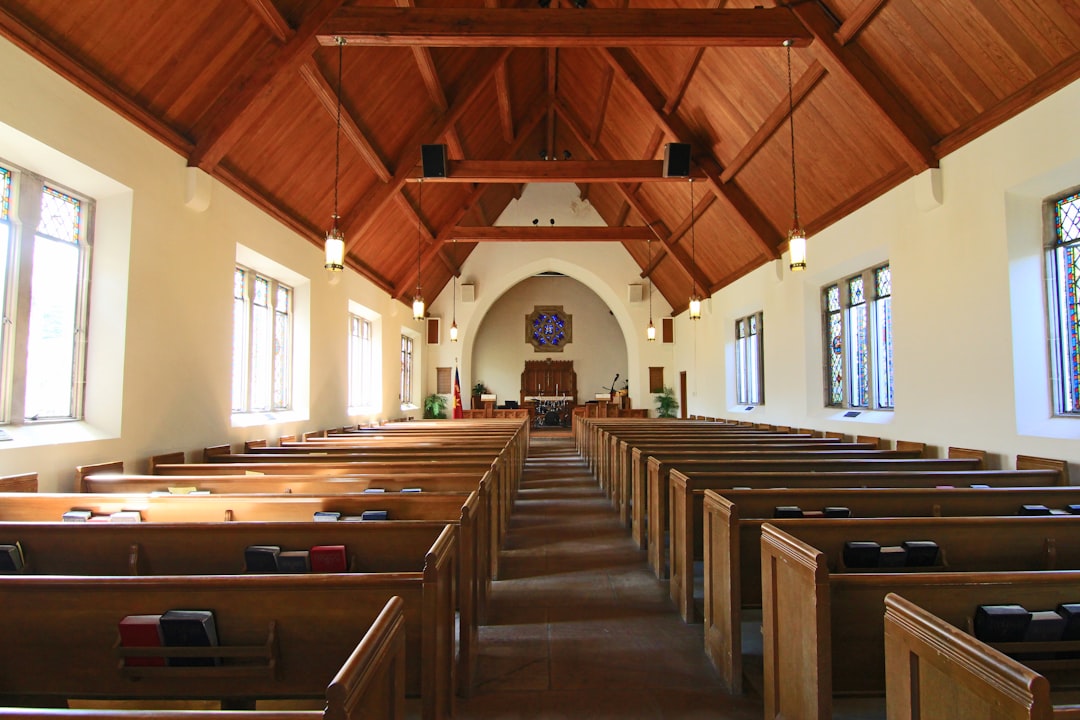
In Pittsburgh, PA, seeking justice for survivors of clergy sexual assault requires specialized legal expertise due to the sensitive nature of these cases. Clergy abuse lawyers play a pivotal role in advocating for victims who may have experienced trauma and abuse within religious institutions. These attorneys are equipped with in-depth knowledge of state laws and church governance structures, enabling them to navigate complex legal landscapes on behalf of their clients.
Pittsburgh has seen several high-profile cases that highlight the importance of clergy abuse lawyers. For instance, a recent lawsuit against a prominent local church involved allegations of prolonged sexual misconduct by a priest, underscoring the need for expert legal representation. Clergy abuse lawyers in Pittsburgh PA have successfully pursued compensation and accountability for survivors, utilizing strategies tailored to the unique challenges of such cases. They often work closely with support organizations to ensure that clients receive holistic care during the legal process.
Expertise in this field encompasses understanding the psychological impact of trauma, interpreting complex church documents, and adhering to stringent statute-of-limitations deadlines. Clergy abuse lawyers must also be adept at dealing with potential counter-allegations and defending their clients’ credibility. By drawing on their specialized knowledge, these attorneys can help survivors find closure, secure financial redress, and ensure that responsible parties are held accountable for their actions. It is crucial for victims to connect with experienced clergy abuse lawyers in Pittsburgh PA who can offer compassionate guidance and robust legal representation.
Support and Resources for Healing and Recovery

Seeking justice for survivors of clergy sexual assault requires a multifaceted approach, particularly when it comes to support and resources for healing and recovery. This process is complex due to the sensitive nature of the issue and the power dynamics at play within religious institutions. A crucial step is ensuring survivors have access to legal counsel who specialize in these cases. In Pittsburgh, PA, clergy abuse lawyers play a vital role in providing expert guidance and advocating for victims’ rights. These attorneys help navigate the legal system, understand their options, and pursue justice through civil litigation or criminal charges.
Support services extend beyond legal representation. Counseling and therapy are essential components of recovery. Many survivors benefit from specialized programs designed to address spiritual trauma, often in collaboration with religious leaders who have been trained in trauma-informed care. Additionally, support groups offer a safe space for sharing experiences and building community among those affected by clergy abuse. Research suggests that peer support enhances coping mechanisms and promotes resilience among survivors.
Resources like these are vital not just for immediate recovery but also for long-term healing. However, it’s important to acknowledge that the journey towards justice and healing is unique for each individual. A holistic approach involving legal, psychological, and community support can significantly aid in their metamorphosis from victim to survivor. By fostering an environment where survivors feel heard, respected, and supported, we can facilitate a meaningful process of transformation and recovery.
Preventing Future Cases: Reforming Church Policies

Seeking justice for survivors of clergy sexual assault requires a multifaceted approach, with one crucial component being the reform of church policies to prevent future cases. As experts in the field, including respected clergy abuse lawyers Pittsburgh PA, have noted, many instances of clergy abuse go unreported due to cultural and institutional barriers within religious communities. To break this cycle, it is imperative that churches and religious organizations implement robust policies and procedures that foster transparency, accountability, and a safe environment for victims to come forward.
A key step in preventing future cases involves comprehensive training programs for clergy and church staff on recognizing signs of abuse and responding appropriately. This includes education on consent, boundaries, and the dynamics of power and control in relationships. Additionally, clear reporting protocols should be established, with designated individuals responsible for handling allegations and ensuring a thorough investigation. Church leaders must also promote an environment where victims feel empowered to speak out without fear of retribution or shame.
Another vital aspect is regular reviews and updates of existing policies to ensure their effectiveness. This may involve seeking input from survivors, experts in child protection, and legal professionals like clergy abuse lawyers Pittsburgh PA. By integrating best practices and staying informed about relevant laws and guidelines, churches can strengthen their defenses against abuse. Regular audits and external evaluations can also help identify vulnerabilities and areas for improvement.
Moreover, collaboration between religious communities, law enforcement, and support organizations is essential to establishing a network of safety and support. This includes sharing resources, best practices, and data on instances of clergy abuse to inform prevention strategies. Ultimately, the collective effort of these stakeholders can lead to systemic change, protecting both current and future generations from the devastating impact of clergy sexual assault.