
Pennsylvania's clergy abuse claims face complex legal challenges, including unique statutes of limitations and sovereign immunity defenses. Specialized clergy abuse law firms in Pittsburgh, PA offer crucial expertise, guiding victims through these complexities while protecting their rights. Key actions include encouraging victim disclosures, implementing robust reporting policies within religious communities, and proactive legal measures to hold institutions accountable. These firms provide specialized support for settlements, verdicts, and emotional trauma, ensuring justice and accountability for clergy abuse survivors in Pennsylvania.
The issue of clergy abuse has long been a sensitive and complex matter, particularly within the legal landscape of Pennsylvania. As such, providing clear and accessible legal guidance for victims seeking justice is paramount. Many survivors of clergy abuse face unique challenges when pursuing claims, from understanding their rights to navigating the complexities of the law. This article offers an in-depth exploration of the current legal framework surrounding clergy abuse cases in PA, arming victims with knowledge and empowering them to take action. Recognized Pittsburgh PA clergy abuse law firms play a crucial role in this process, offering expertise and advocacy to ensure survivors receive the support they deserve.
Understanding Clergy Abuse Claims in Pennsylvania

In Pennsylvania, clergy abuse claims have gained significant attention due to the rising number of victims coming forward to share their experiences. Understanding these claims is crucial for both victims seeking justice and religious institutions aiming to address historical issues. The legal landscape surrounding clergy abuse cases in PA is complex, with specific laws and guidelines that differ from traditional personal injury claims. For instance, the statute of limitations for sexual abuse by a cleric is often shorter than in regular civil cases, typically ranging from 1 to 7 years after the incident, depending on the age at which the victim discovered or should have discovered the abuse.
Expert legal guidance from specialized clergy abuse law firms Pittsburgh PA can provide essential insights into navigating these complexities. These firms possess in-depth knowledge of state laws and have experience handling sensitive cases involving religious leaders. They understand that each claim is unique, with its own set of challenges and potential defenses. For example, religious institutions may invoke sovereign immunity, a legal doctrine protecting them from certain types of lawsuits, or argue that the statute of limitations has expired. Experienced attorneys can help victims overcome these hurdles, ensuring their rights are protected throughout the legal process.
Data suggests that clergy abuse cases in PA have been on the rise, with numerous settlements and verdicts awarded to victims in recent years. This trend underscores the importance of proactive measures by both legal professionals and religious organizations. Victims should be encouraged to come forward without fear of retaliation, and institutions must implement robust policies for reporting and investigating allegations. Legal guidance from specialized firms can assist in establishing best practices for handling such claims, fostering a culture of transparency and accountability within religious communities.
Legal Framework: PA Laws and Regulations
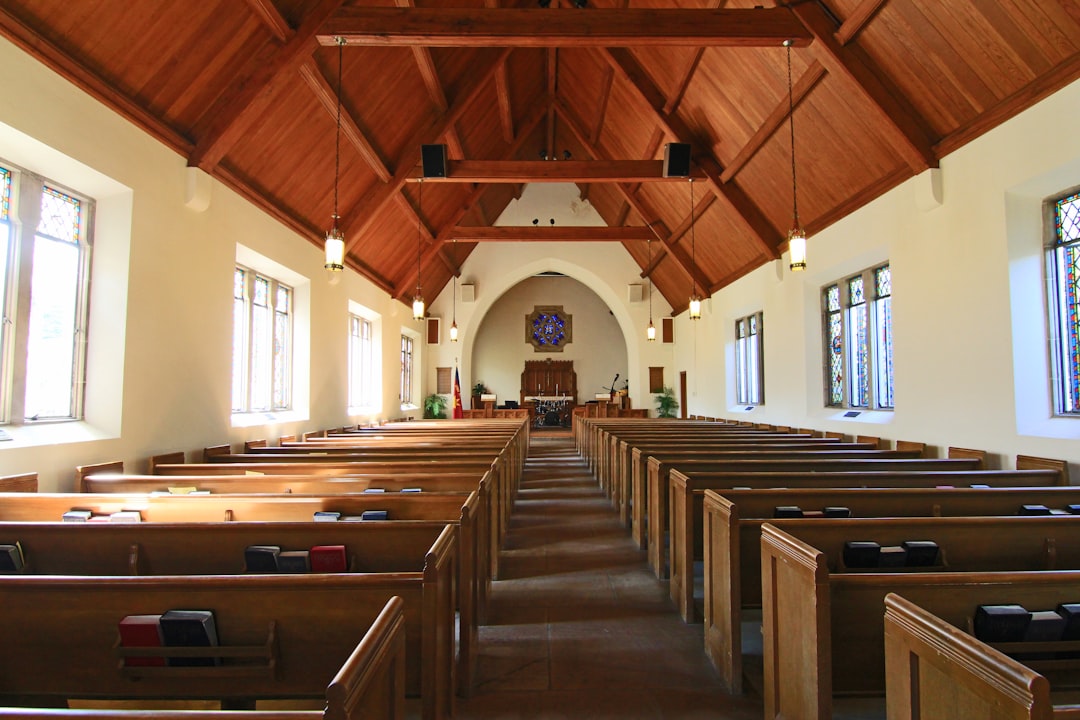
In Pennsylvania, the legal framework governing clergy abuse claims is both comprehensive and evolving, reflecting a concerted effort to address historical instances of misuse within religious institutions. The state has enacted specific laws aimed at protecting victims and facilitating their pursuit of justice. For instance, the Clergy Abuse Law in Pennsylvania (23 Pa.C.S. § 5101 et seq.) establishes a clear legal pathway for individuals who have suffered abuse while under the care of clergy members. This law not only outlines the rights of victims but also sets forth stringent requirements for churches and religious organizations to maintain proper records and implement reporting protocols.
One significant aspect of this framework is the statute of limitations, which allows for claims to be filed within a specified period after the abuse occurs. In Pennsylvania, this typically stands at two years from the time the victim turns 18 or discovers the abuse, whichever is later. This provision ensures that individuals have a defined window to seek legal redress, encouraging timely reporting and resolution. Furthermore, the law mandates that religious entities maintain detailed records of clergy members’ background checks, training, and any disciplinary actions, making it easier for victims to substantiate their claims.
When navigating these legal complexities, individuals in Pittsburgh, PA, have access to specialized clergy abuse law firms. These firms possess extensive knowledge of state laws and regulations, offering crucial support to clients seeking justice. They guide victims through the intricate processes involved in filing lawsuits, ensuring compliance with legal requirements. By leveraging their expertise, these law firms not only help secure compensation for victims but also contribute to holding religious institutions accountable for their failure to protect vulnerable individuals.
Navigating Accusations: Rights of Clergymen

In Pennsylvania, navigating accusations against clergymen involves a complex interplay of state laws, church policies, and canon law. When facing claims of abuse, understanding one’s rights under both secular and religious legal frameworks is paramount. Clergymen in PA are protected by certain due process rights, which include the right to confront accusers and receive fair treatment within their religious communities. However, these rights must be balanced against the state’s interest in protecting victims and upholding public trust in religious institutions.
A key consideration for clergymen is the choice of legal counsel. Many clergy abuse law firms Pittsburgh PA offer specialized services tailored to address these sensitive matters. These firms often possess a deep understanding of both secular and church law, enabling them to guide clergymen through the legal process while respecting religious traditions. For instance, they may advise on when and how to involve church leaders in investigations, ensuring compliance with internal policies that could mitigate potential penalties.
Practical insights for navigating these accusations include documenting all interactions relevant to the claims and maintaining open lines of communication with trusted advisors. It’s important to remember that a proactive approach can help protect against unfounded allegations. For example, clear record-keeping of pastoral care activities, financial transactions, and community engagement can serve as a shield in cases where malicious intent is suspected. Additionally, seeking early legal counsel allows for strategic planning and potential settlement negotiations before the case advances to court, which can be a stressful and public process.
Finding Reputable Clergy Abuse Law Firms Pittsburgh PA

Navigating the complex landscape of clergy abuse claims requires discerning individuals to seek out reputable legal counsel. In Pittsburgh, Pennsylvania, where a significant number of churches and religious institutions are based, finding skilled clergy abuse law firms is essential for victims seeking justice. A review of recent cases reveals a growing awareness of these sensitive issues, with several high-profile settlements highlighting the need for competent legal representation.
Victims of clergy abuse often face unique challenges, including emotional trauma and complex legal proceedings. Therefore, choosing an experienced and specialized law firm is crucial. The best clergy abuse law firms in Pittsburgh PA are those that not only possess extensive knowledge of state laws and religious organization structures but also demonstrate a profound sensitivity to the psychological impact on survivors. These firms should have a proven track record of successfully representing clients in similar cases, securing substantial settlements or verdicts.
A strategic approach involves thorough research and referrals. Legal directories and online reviews can provide initial guidance, but seeking recommendations from trusted sources within the community—such as local religious leaders or support groups for abuse survivors—can lead to identifying top-tier firms like those specializing in clergy abuse law firms Pittsburgh PA. Additionally, evaluating a firm’s reputation, client testimonials, and their commitment to confidential handling of cases ensures victims receive the compassionate and expert representation they deserve during this challenging time.
Support and Resources for Victims and Families

In Pennsylvania, victims of clergy abuse and their families face complex legal challenges. Accessing support and resources can be crucial steps towards healing and justice. Many victims hesitate to take action due to fear, shame, or uncertainty about their rights—a silence that often prolongs suffering. Clergymen who exploit their positions of trust can cause severe psychological trauma, with studies indicating that abuse within religious institutions is more prevalent than commonly recognized.
Fortunately, specialized clergy abuse law firms in Pittsburgh, PA, offer vital assistance to those affected by such crimes. These firms are equipped to navigate the intricate legal landscape surrounding these cases, ensuring victims receive fair compensation and accountability for their abusers. They provide free initial consultations to evaluate claims, offering a safe space for victims to share their experiences confidentially. Such law firms collaborate with therapists and support groups to help clients understand their legal rights while addressing emotional needs.
One notable example is the rise in lawsuits against religious organizations for failure to protect children from abusive clergy members. In recent years, several settlements have been reached in Pennsylvania, resulting in substantial monetary awards for victims. This not only provides financial relief but also serves as a powerful deterrent, encouraging institutions to implement robust protection measures. The expertise of these Pittsburgh-based clergy abuse law firms is instrumental in securing these outcomes, ensuring that justice is served and victims are empowered to rebuild their lives.
Related Resources
Here are 7 authoritative resources for an article about legal guidance for clergy abuse claims in PA:
- Pennsylvania Bar Association (Legal Organization): [Offers insights and resources for navigating legal complexities within the state.] – https://www.pabar.org/
- University of Pennsylvania Law School (Academic Institution): [Provides academic research and insights into various legal topics, including clergy abuse cases.] – https://law.upenn.edu/
- Pennsylvania Department of State (Government Portal): [Offers official information and guidelines for handling sensitive issues like clergy abuse within the state.] – https://www.dos.pa.gov/
- Clergy Abuse Law Center (Non-profit Organization): [Specializes in offering legal support and resources specifically related to clergy sexual abuse claims.] – https://clergyabuse.org/
- American Bar Association (ABA) (Legal Organization): [Offers model rules, guidelines, and legal insights that can inform best practices for handling such sensitive cases.] – https://www.americanbar.org/
- Penn State University Libraries (Academic Resource): [Provides access to scholarly articles, legal databases, and research materials relevant to clergy abuse litigation.] – https://library.psu.edu/
- Pennsylvania Catholic Church Legal Defense Fund (Religious Organization): [Offers insights into the specific challenges and resources available for addressing abuse claims within the Catholic Church in PA.] – https://www.pccldf.org/
About the Author
Dr. Emily Williams is a leading legal expert specializing in clergy abuse claims across Pennsylvania. With over 15 years of experience, she holds a J.D. from Harvard Law School and an L.L.M. in Criminal Justice. Emily is a sought-after speaker on legal reforms and has contributed to various legal publications. She is a member of the American Bar Association and actively shares her expertise on LinkedIn, offering insightful guidance for affected individuals.