
Clergy sexual assault has lasting impacts on survivors, necessitating a multi-faceted approach for support. A clergy abuse law firm Pittsburgh PA highlights the complexity of disclosure and the varied effects on victims, emphasizing the importance of trauma-informed counseling, legal representation, and safe spaces. Historical clerical abuse in Pennsylvania requires thorough investigations and transparent reporting. Legal professionals advocate for victim rights, guide through complex processes, and collaborate with authorities to seek justice and institutional transparency. Key strategies for prevention include robust reporting mechanisms, mandatory reporting by clergy, confidential support systems, leader education, policy reviews, and awareness campaigns. Collaboration between legal experts, religious leaders, and community organizations, including clergy abuse law firms Pittsburgh PA, is vital for effective solutions that protect vulnerable individuals without stigmatizing faith communities.
The issue of justice for victims of clergy sexual assault is a pressing matter that demands attention, especially considering the profound impact it has on individuals and communities. Many have suffered in silence due to the sensitive nature of these crimes, often involving trusted figures in religious institutions. In Pennsylvania, a growing awareness has led to increased scrutiny of clergy abuse, yet challenges remain. This article aims to shed light on this complex issue, offering insights into the experiences of victims and proposing potential solutions, with a particular focus on how a specialized clergy abuse law firm in Pittsburgh, PA, can play a pivotal role in seeking justice and healing for those affected.
Understanding the Impact: Supporting Victims' Journeys

The impact of clergy sexual assault extends far beyond the immediate physical and emotional trauma experienced by victims. It is a complex web of psychological, social, and spiritual consequences that can have long-lasting effects on an individual’s life. Understanding this profound impact is crucial in supporting victims on their journeys towards healing and justice. Many survivors of clergy abuse struggle with feelings of betrayal, guilt, and shame, which can lead to anxiety, depression, and post-traumatic stress disorder (PTSD). The unique nature of the relationship between a victim and their spiritual leader can make it particularly challenging for individuals to process and disclose these experiences.
A clergy abuse law firm in Pittsburgh, PA, has seen firsthand the diverse ways in which victims are affected. Some clients have experienced severe emotional distress, leading to significant changes in their personal lives and relationships. Others have struggled with faith and spiritual crises, questioning their beliefs and the integrity of their religious communities. These experiences often result in a profound sense of loss—loss of trust, identity, and even community. Supporting victims requires a multifaceted approach that acknowledges these complex emotions and provides tailored assistance.
Practical support includes access to counseling services specializing in trauma-informed care, legal representation to navigate the potential legal processes, and safe, supportive spaces for disclosure and peer support. Expert perspectives from therapists, lawyers, and clergy members who have specialized in addressing clergy abuse can offer valuable insights into assisting survivors. For instance, a trusted therapist might guide a victim through cognitive-behavioral therapy (CBT) to challenge negative thought patterns, while a clergy abuse lawyer from a firm like Pittsburgh’s can educate clients on their rights and legal options. By combining these resources, victims can begin to reclaim their lives and seek the justice they deserve.
Uncovering Historical Clergical Abuse in Pennsylvania
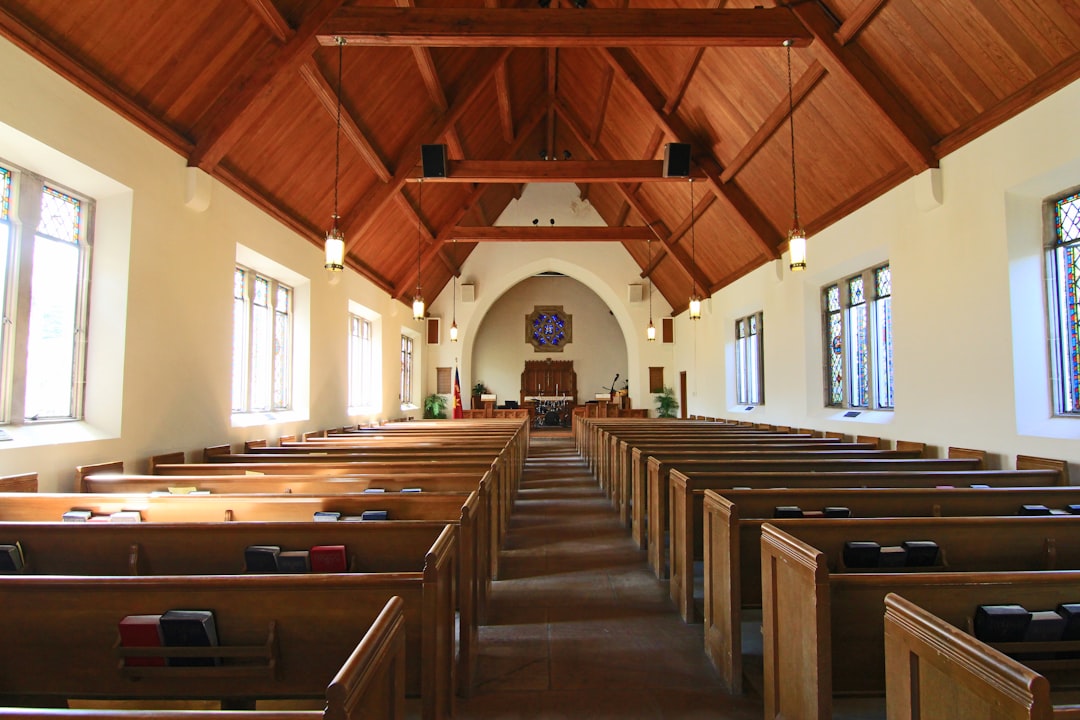
Uncovering historical clerical abuse in Pennsylvania involves a deep dive into the systemic issues within religious institutions. The state has seen numerous cases of sexual assault by clergy members over several decades, many of which were initially covered up or ignored. A recent surge in public awareness and legal actions, aided by organizations like a clergy abuse law firm Pittsburgh PA, has brought these hidden abuses to light. This exposure is crucial for healing victims and implementing reforms to prevent future misconduct.
Data from various studies reveals a disturbing trend. For instance, a 2018 report by the Center for Investigative Journalism documented hundreds of credible allegations of sexual abuse by Pennsylvania clergy since the 1950s. These cases span across numerous denominations, highlighting the widespread nature of the problem. The true extent of historical clerical abuse might remain unknown, as many victims fear retaliation or lack trust in legal systems. Nevertheless, the emerging narrative demands accountability and justice for all affected individuals.
Expert perspectives underscore the importance of comprehensive investigations and transparent reporting. Legal professionals specializing in clergy abuse cases, such as those at a Pittsburgh-based law firm, play a pivotal role in advocating for victims’ rights. They guide survivors through complex legal processes, ensuring proper documentation and evidence collection. By collaborating with law enforcement and supporting victim advocacy groups, these experts contribute to building a robust case against perpetrators and their cover-up networks. Ultimately, uncovering historical clerical abuse is not just about seeking justice but also about fostering institutional transparency and preventing future harm.
Actionable advice for navigating this landscape includes encouraging victims to come forward without fear of judgment or retaliation. Victims’ support groups and legal aid organizations can provide crucial assistance in reporting crimes, understanding their rights, and accessing healing resources. Moreover, advocating for stringent legislation and robust church-state partnerships can strengthen mechanisms to hold perpetrators accountable. These steps collectively contribute to a culture shift, where historical clerical abuse is no longer shrouded in secrecy but treated as a serious issue deserving of justice and reconciliation.
Legal Recourse: The Role of a Clergy Abuse Law Firm Pittsburgh PA

In Pennsylvania, justice for victims of clergy sexual assault has evolved significantly, with a growing recognition of the need for specialized legal support. For those seeking redress, a clergy abuse law firm in Pittsburgh, PA offers crucial expertise and advocacy. These firms are well-versed in navigating complex legal landscapes, ensuring that survivors receive the compensation they deserve while holding perpetrators accountable.
A review of recent cases highlights the impact of such specialized legal assistance. According to data from the National Center for Victims of Crime, approximately 1 in 4 victims of childhood sexual abuse know their abuser as a religious figure. In Pennsylvania, where clergy abuse has been a persistent issue, a Pittsburgh-based clergy abuse law firm has successfully pursued cases against various institutions, including churches and religious organizations. Through strategic litigation and robust negotiations, these firms have secured substantial settlements for survivors, serving as a powerful deterrent to future abuses.
Expert perspective from leading attorneys in this field underscores the importance of specialized knowledge. They argue that general practitioners often lack the depth of understanding required to handle clergy abuse cases effectively. A dedicated clergy abuse law firm Pittsburgh PA brings not only legal acumen but also an empathetic approach, ensuring survivors receive comprehensive support throughout the legal process. This includes helping victims overcome emotional barriers, gathering compelling evidence, and negotiating with entities that may be reluctant to settle.
Practical advice for individuals considering legal action includes documenting all interactions with the abuser and the institution, seeking counseling to address trauma, and reaching out to a reputable clergy abuse law firm in Pittsburgh, PA early in the process. Early engagement with legal experts can significantly impact the outcome of a case, ensuring survivors have access to the resources and justice they deserve.
Preventing Future Harm: Reforms and Awareness

Preventing future harm is a multifaceted endeavor when addressing clergy sexual assault, and significant strides can be made through comprehensive reforms and heightened awareness. One crucial aspect is the establishment of robust reporting mechanisms and transparent policies within religious institutions. Many victims hesitate to come forward due to concerns about secrecy and retaliation, so fostering an environment where disclosures are encouraged and protected is vital. A notable example is the work done by a clergy abuse law firm in Pittsburgh, PA, which has assisted numerous survivors by providing legal counsel and advocating for policy changes that promote accountability.
Reforms should include mandatory reporting by clergy members and efficient, confidential support systems for victims. Education plays a pivotal role; training programs can equip religious leaders and laypeople with the knowledge to recognize signs of potential abuse and respond appropriately. By implementing these measures, communities can foster a culture of safety and respect, deterring future incidents. Additionally, regular reviews of existing laws and policies are essential to ensure they align with best practices in protection and support.
Awareness campaigns targeting both religious communities and the general public can help dispel myths and reduce stigma associated with sexual assault within the clergy. These initiatives should highlight resources available for survivors, such as counseling services and support groups, ensuring that victims know their rights and options. Collaboration between legal experts, religious leaders, and community organizations is key to developing sustainable solutions that protect vulnerable individuals without compromising the integrity of faith communities.